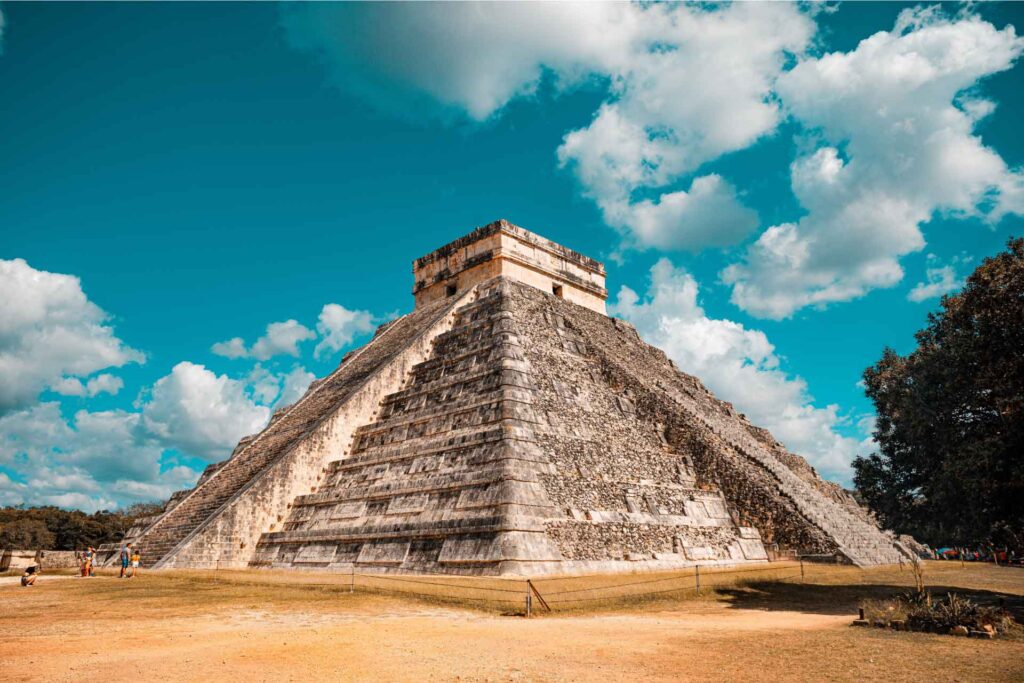
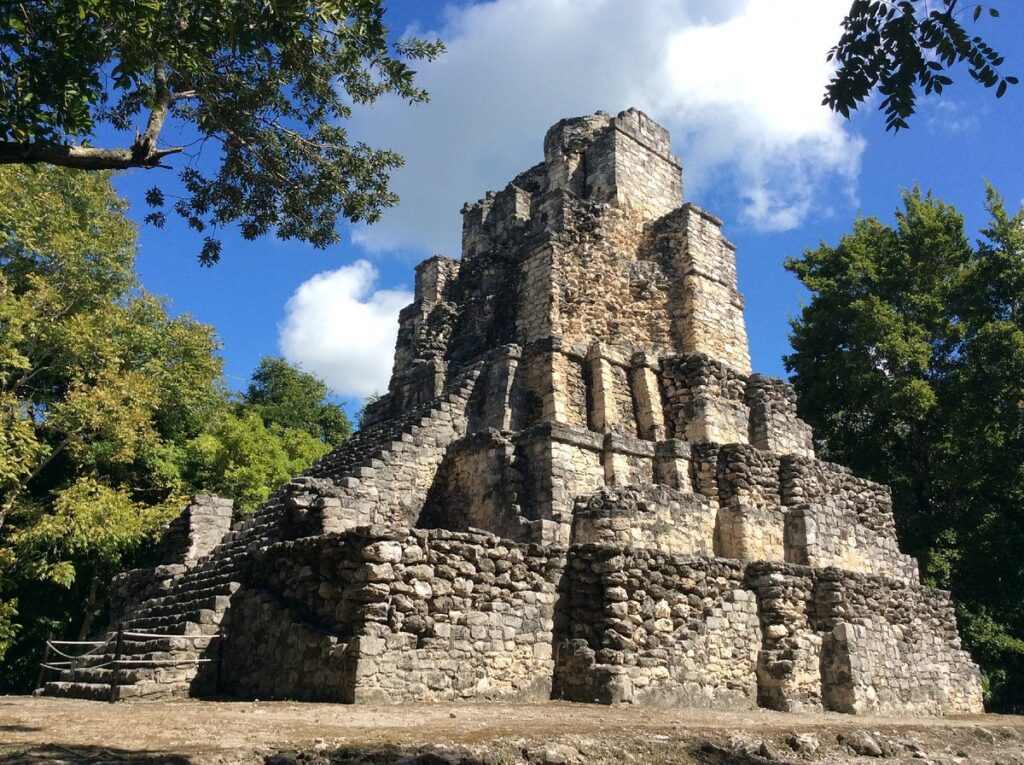
The Mayan civilization flourished in the region that is now Tulum, Mexico, from approximately 300 AD to the late 16th century when the Spanish arrived. The Mayan people were known for their advanced understanding of mathematics, astronomy, and architecture, as well as their intricate calendar system.
The Tulum area was an important center for Mayan culture, serving as a hub for trade and commerce. The ruins of Tulum offer a glimpse into the lives and traditions of the Mayan people.
Here are some of the key ruins in the Tulum area and what they represent:
Tulum Archaeological Site:
The Tulum ruins are the most well-known in the area and were one of the last cities built and inhabited by the Mayan people. The ruins feature a number of structures including the Temple of the Frescoes, the Temple of the Descending God, and the Castillo.
Coba Archaeological Site:
Coba was once a bustling Mayan city and is known for its tall pyramid, Nohoch Mul, which visitors can climb for stunning views of the surrounding jungle.
Muyil Archaeological Site:
Muyil is a smaller Mayan ruin site that was once a trading post. The site features a number of temples and a canal system used for transportation.
Xel-Ha:
Xel-Ha is a natural aquarium located near the ruins of Tulum. It was an important Mayan port and is now a popular spot for snorkeling and swimming.
Xcaret:
Xcaret is a theme park located near the ruins of Tulum that features a number of cultural exhibits and attractions that highlight Mayan culture.
Some key traditions of the Mayan people include:
Religion:
The Mayan people had a complex system of religious beliefs and practices. They worshipped a number of gods and goddesses, and often used human sacrifice in their religious ceremonies.
Astronomy:
The Mayan people were skilled astronomers and used their knowledge to create a complex calendar system. They believed that the movements of the sun, moon, and stars could help predict future events.
Architecture:
Mayan architecture is known for its intricate details and use of natural materials like stone and wood. Many of the structures in the Tulum area feature intricate carvings and sculptures.
Agriculture:
The Mayan people were skilled farmers and used advanced techniques like crop rotation and terracing to grow crops like maize, beans, and squash.
Today, visitors to the Tulum area can explore the ruins and learn more about the fascinating culture and traditions of the Mayan people.